The UK government has announced a £15bn budget to help homes save money on their energy bills by installing solar PV and other green technologies. The “Warm Homes Plan” is the biggest upgrade to national homes in British history and is aimed to tackly rising fuel poverty. The plan will help millions of UK residents, targeting low-income households, social housing upgrades, new protections for renters, and a universal offer for all households to upgrade.

What will it look like?
An average of £150 will be knocked off energy bills from April, with 6 million households receiving an additional £150 Warm Home discount, bringing the total package to £300. According to the gov.uk website, this will lift up to one million families out of fuel poverty and tackle long-term energy costs.
At DMH, we recognise that one of the best ways to reduce home energy bills is through reliable, efficient renewable energy systems that last up to 25 years. It’s recorded that, between 2010 and 2024, home insulation installations, such as cavity wall and loft insulation, dropped by 90%, resulting in millions of households paying higher energy bills.
Why is it important for UK Homes?
A major push for this new announcement stems from the continued inaccessibility of renewables, such as solar PV and battery storage, for many homeowners. Even though prices for these systems have declined in recent years, they are still not affordable for all.

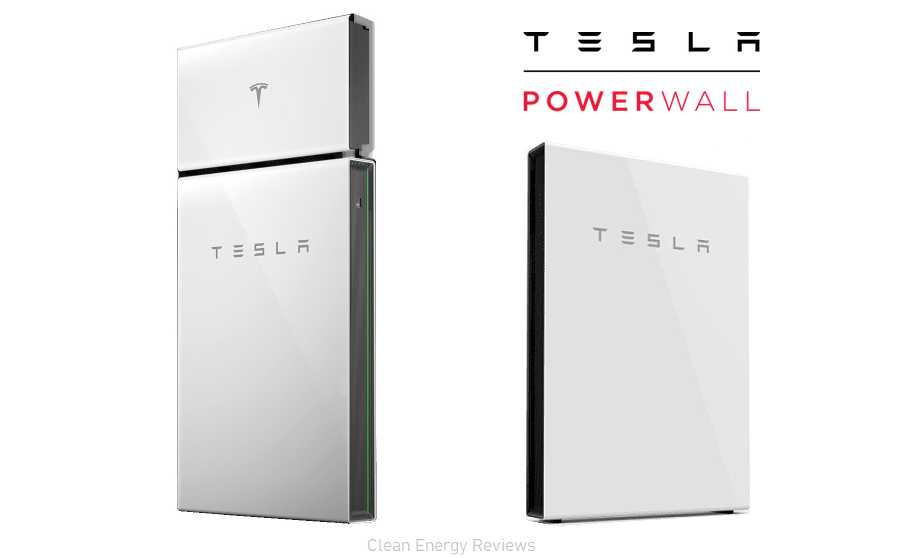
Low-income homes will receive free packages for their upgrades. An example of this would be a low-income household receiving a fully funded solar panel or battery, which would cost them £9,000-£12,000 if they did not have the funding. There is also an offer for everyone, providing government-backed, zero-interest and low-interest loans programmes to increase the number of solar panels on UK rooftops. There are also new rules put in place that mean every new home will come with solar panels by default, as well as a £7,500 universal grant for heat pumps and air-to-air heat pumps, the first offer of its kind.
Learn more about this new initiative on the government website, and let us know what you think of these plans on social media.