Earlier this month, the UK Department for Energy Security and Net Zero released a new government scheme rulebook for the Warm Homes Loan Scheme (WHLS). In today’s blog, we will cover everything you need to know, including who this is for, how it affects them, and how it changes the current grant model.
You can read the full rulebook here: https://assets.publishing.service.gov.uk/media/6a3bc6c430b491f55b3c487d/warm-homes-loan-scheme-scheme-rules.pdf
What is the Warm Homes Loan Scheme?
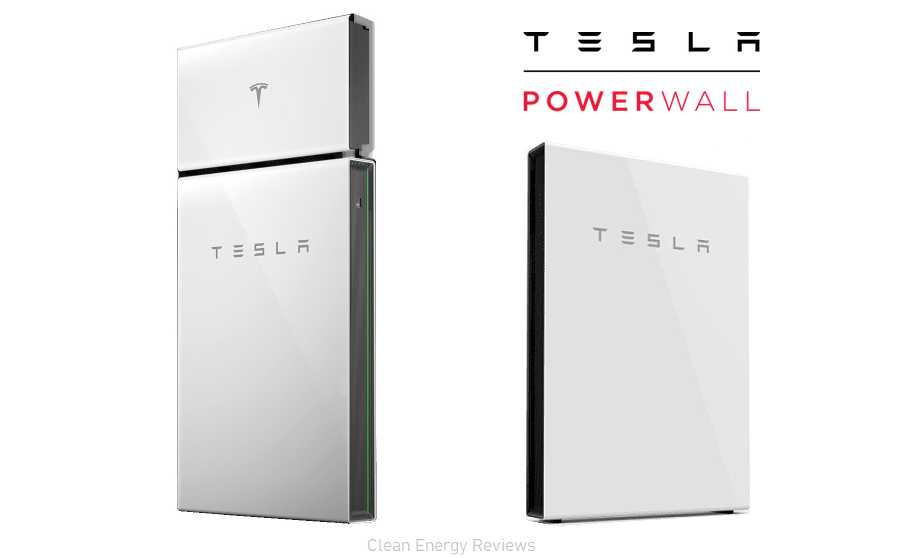
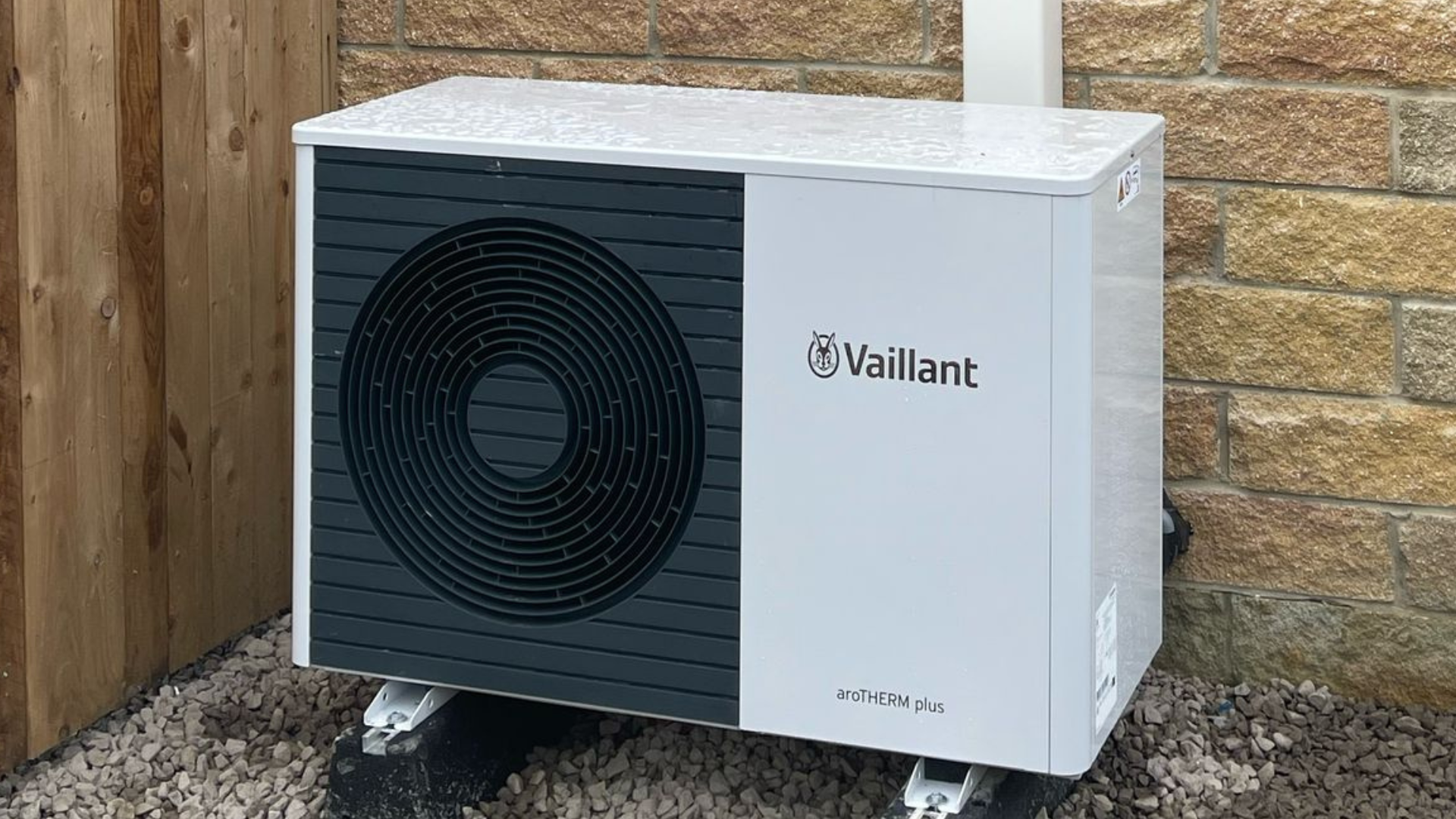
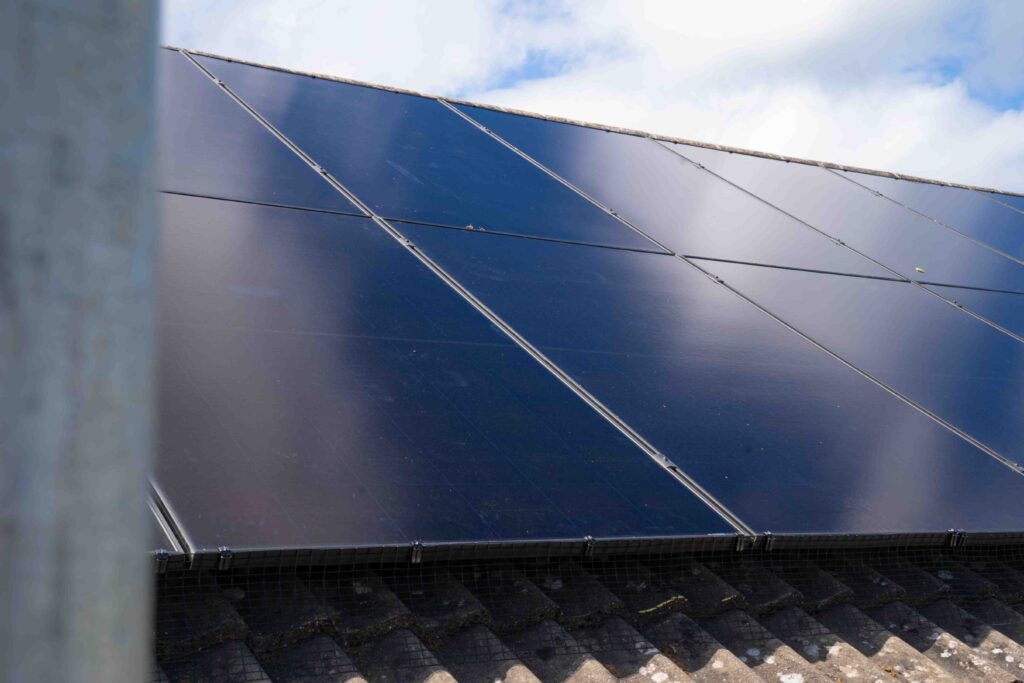
The Warm Homes Loan Scheme has been introduced to increase access to affordable loans for home upgrades. These upgrades are for things such as solar PV, heat pumps and battery storage.
These renewable measures are being pushed more and more by the UK government to meet their Net Zero targets for 2050 – to reduce all greenhouse gas emissions by at least 100%.
How will the WHLS work?
Through this new government scheme, lenders can offer loans for approved home upgrades. These loans are funded through government grants, which are given to the lenders up to 20% of the loan value.
One important thing to take away from this scheme is that it is not a consumer grant scheme. It is a loan subsidy scheme delivered via the lenders.
Who is eligible?
When it comes to the eligibility of the WHLS scheme, the key customers targeted are:
- Owner-occupiers
- Private landlords
- Those who can successfully pass a credit and affordability check
An important distinction between this scheme and past UK government renewables schemes is that no income thresholds are set. DMH has recently discussed schemes such as the Boiler Upgrade Scheme and the Warmer Homes Plan, which target specific audiences. The Warmer Homes Plan, for example, was online targeting low-income households, tackling rising fuel poverty across the UK. Read more about this scheme here.
What are the eligible upgrades?
There is a range of renewable solutions that are included in this new government scheme, all of which can be installed by DMH Electrical and Renewables and focus on low-carbon technology. The eligible upgrades include:
- Heat Pumps
- Heat Networks
- Biomass
- Solar PV
- Battery Storage
These are a great range of systems and solutions that have been proven to reduce reliance on fossil fuels. There are, however, some restrictions on what upgrades are eligible, including:
- Air-to-air heat pumps
- EV chargers are only allowed if they are installed alongside solar PV or a battery
- Insulation for loft or walls is generally not funded.
Who is responsible for each step in the process?
As this scheme involves multiple parties, it is important to look at who is responsible for what, and where certain parties are introduced.
The government are responsible for designing these rules and delivering the key points and limitations to the scheme. They also provide the funding whilst monitoring and auditing the scheme through its life cycle.
Lenders act as the key delivery partner. They offer loans and check the eligibility of applicants through credit checks. They also manage the customers for things such as repayment complaints. Lenders must also report data monthly detailing audit rights for the government. This performance is tracked via arrears rates, complaints, any fraudulent activity and the correct use of the funding.
The property owners apply for the loans, arrange installation dates for their properties to ensure that the installation happens, whilst the installer’s role is to ensure the systems are fitted to the property.
To ensure that everyone is held accountable and the work is completed, the grant is paid after the installation and verification.
Are there any risks involved?
With any scheme such as this, there are a few risks involved which relate largely to grants and completion of work. To ensure that everything works properly, the government grant is paid in arrears, with the lenders taking an upfront risk themselves. They can lend before receiving the grant, but this is a risk they must take responsibility for. For the government, some measures enable them to reclaim funding. These include if the loan is repaid early, the customer is found ineligible later in the process or if the scheme rules are not followed. All these measures make sure that public money is protected and benefits everyone involved – most importantly, the customer receiving the systems.
When is it expected to start?
The launch is expected to be followed by a subsequent application window, anticipated to open in late 2026 for onboarding in early 2027, with exact dates to be confirmed and communicated well in advance.
What do you think of this new government scheme targeted at increasing access to affordable home improvements? Let us know and make sure to follow us on social media to keep up to date on the latest renewables news. If you’re looking to get any of these systems installed in your property, fill out our contact form to start your renewables journey today.