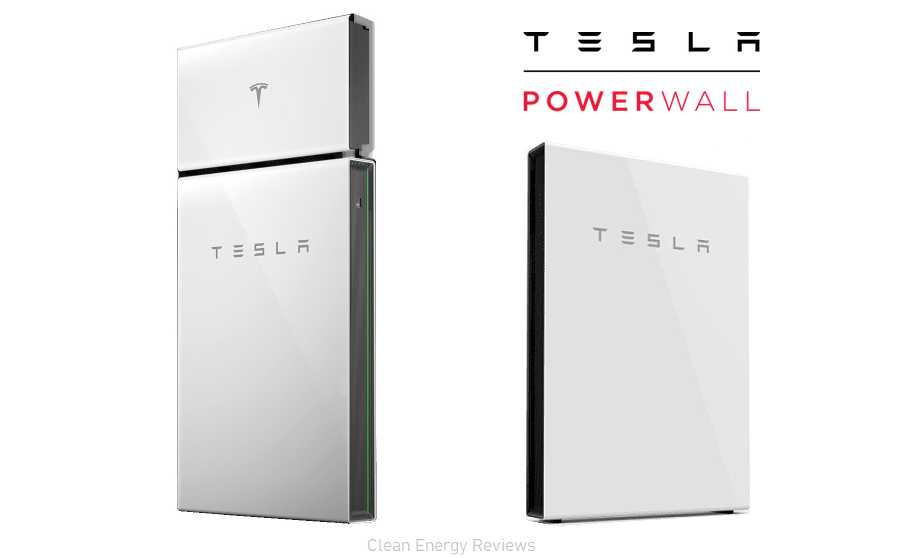
The Tesla Powerwall 3 and Anker Solix X1 have been part of our trusted brands for a while now, recommended to our clients who are looking for battery storage in their homes or businesses. Today, we will be looking at what each system does right and what the best situations to use either system are.
History of both batteries
The Tesla Powerwall 3 is a recent addition to the Tesla line of renewables, launched in 2023 as the ultimate Tesla battery, integrating the battery, hybrid solar inverter, and backup controls into one system. The Powerwall 3P was also announced in February 2026 this year; read more about this system and its features on our blog.
The Anker Solix X1 was introduced in 2024, with many reviewers complimenting it on its elegant design, high-grade basalt coating, and powerful smart features. This system is currently powering the DMH Electrical and Renewables office, with the Power Dock Pro being recently added too. Learn more about the Power Dock Pro Backup Gateway in the video below.
What makes a good home battery?
When choosing a battery to add to your home, even without looking at the brand, there are many aspects to think about other than power and capacity.
Being able to store more of the energy you generate with solar panels is, of course, a leading factor in which battery you choose. It is important, however, to get a clear understanding of how much energy you consume on average and which size of battery will make the most impact for your home.
For example, if your home energy usage is fairly small, mostly used in the evening, then a smaller battery may be the best option for you. On the other hand, if your home uses a lot of energy to power other systems such as heat pumps or EV chargers, a battery with a larger stack is something you would want to invest in – giving your system the option to grow with your home.
What makes a good commercial battery?
Looking at businesses and organisations, battery storage is a must-have for any business that is currently utilising solar PV. Working on a much larger scale, solar PV needs to power far more appliances than a home, meaning that taking control of what is powered with renewables and when it is used becomes a strategy in itself.
Battery storage in the commercial space can help power large offices where computers and lighting are used throughout the day, or it could be used to charge a fleet of vehicles through EV charging stations.
Pros and cons of the Tesla Powerwall 3
When it comes to the Powerwall 3, its power output is everything. It has up to 11.04kW of continuous output, meaning it can handle a multitude of demands for the modern home, including large appliances.
The Powerwall 3 also has a built-in hybrid inverter, combining the inverter and battery into a single unit. This feature simplifies the installation and system design. This simplifies systems by removing the need for a separate inverter. This means less wall space and fewer components to maintain, leaving the customer with a more visually pleasing install.
This system boasts very low conversion losses and a 97.5% solar-to-grid efficiency, meaning that homes can utilise nearly the entire battery capacity. With the addition of the Tesla app’s smart charging controls and optimisation features, this system is perfect for users who want to save more and reduce their reliance on expensive peak-rate electricity.
The main con of this system, however, is the cost. Not necessarily the upfront cost, but the cost of scaling the system when you need more from it. Compared to more modular battery systems, the Powerwall 3 can get expensive when the user needs more than the 13.5kWh capacity.
Pros and cons of the Anker Solix X1
The appeal of the Anker Solix X1 comes with its modular approach, meaning it can be truly unique to any customer and their needs. Each battery module holds up to 5kWh, with a maximum of 6 modules per inverter.
Inverter options include single-phase and 3-phase with a round-trip efficiency of 90%. Having options for single- and 3-phase means the system can work for standard UK homes and larger properties with 3-phase supplies. It also has an impressive operating temperature of – 20 °C to 55 °C, slightly beating the Tesla Powerwall 3’s max temperature of 50°C.
As we have mentioned before, the build quality and look of the Anker Solix X1 are hard to beat. Its ultra-thin design of 15cm means that it doesn’t feel obtrusive and looks discreet in most settings.
Similar to the Tesla Powerwall 3, however, cost is one of its downfalls. Even though you are getting what you pay for, when there are competitors with more than 90% round-trip efficiency, it’s not for everyone.
Which battery is best for your home?
After this analysis of both batteries, it’s easy to see the pros and cons of both systems, and in truth it’s hard for DMH to reasonably single out one or the other. Both batteries have some amazing features, from incredible power and storage to looks that elevate a renewable system.
If you are looking for a more affordable system for your home that you have plans on scaling over time, we recommend the Anker Solix X1. Its modular design and lower upfront cost make building a renewable system more accessible. If you’re looking for smart features and more control over your energy, or perhaps have a new solar system that you need a battery for, we can definitely suggest the Tesla Powerwall 3 as your battery of choice. It has seamless whole-home backup and a polished app built for automation.
If you found today’s blog useful, we’d love to hear from you. At DMH Electrical and Renewables, we value educating our clients on the systems they invest in, not just installing them. If you are looking to install a battery for your home, get in touch with our team and book a discovery call today.