Panel-level optimisations have become a popular solution for optimizing the performance and safety of solar PV systems. These devices, produced by companies like SolarEdge and Tigo, are often associated with shaded environments where different panels receive varying amounts of sunlight. But what if shading isn’t a problem for your system? Do panel-level optimisers still make sense?
The answer is a resounding yes. Even in the absence of shading, solar PV panel-level optimisers offer significant value in terms of performance, monitoring, safety, and long-term system reliability. Here’s why adding optimisers to your solar system makes good sense, even without shading:
1. Panel-by-Panel Monitoring: A Key Performance Tool
Panel-level optimisers allow for real-time, individual panel monitoring. This feature is incredibly valuable, even in systems that don’t face shading issues. Here’s why:
• Detailed Performance Data: By tracking the performance of each panel, you gain insight into how each one is operating. This can uncover subtle performance degradation or faulty panels that could otherwise go unnoticed. For example, if one panel is underperforming due to a manufacturing defect or wear and tear, you can immediately identify and address the issue.
• Optimized System Management: With individual panel data, you can make more informed decisions about maintenance and troubleshooting. It ensures that your system is always operating at peak efficiency, without relying on guesswork or general system diagnostics.
2. Panel Temperature Control: A Hidden Performance Killer
Panel temperature greatly affects how efficiently your solar panels generate electricity. As panels heat up, their efficiency can decrease. Temperature-related performance issues can affect the system’s overall yield in regions with intense sun or during the summer months.
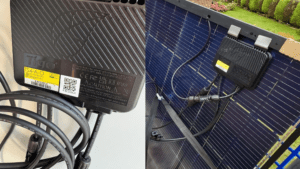
Optimisers like SolarEdge or Tigo’s offerings help mitigate this by balancing the output of each panel. They keep the temperature of each panel within optimal ranges, preventing overheating and ensuring the system runs efficiently. This is particularly beneficial in hotter climates or on installations where panels may be installed on roofs with poor ventilation.
3. DC Arc Detection: Safety Comes First
One of the most important features of modern optimisers is DC arc detection. When electricity jumps from one conductor to another, electrical arcs pose a serious fire risk. This is especially dangerous in solar PV systems, where high voltage DC current is involved.
Panel-level optimisers have built-in arc detection technology that constantly monitors for signs of electrical arcs in the system. If an arc is detected, the optimisers immediately shut down the problematic circuit, preventing potential fires and system damage. This safety feature protects your system and reduces the risk of catastrophic incidents, offering peace of mind for system owners.
4. Rapid DC Shutdown: A Growing Safety Requirement
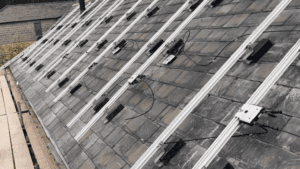 In commercial solar installations, rapid DC shutdown is becoming a standard requirement for most building insurance companies. This feature ensures that, in the event of a fire or emergency, the system can be quickly shut down to minimize risk to first responders and mitigate fire hazards.
This safety requirement will also gain traction in the residential solar market as well. While regulations for residential installations may not yet universally require rapid DC shutdown, it’s only a matter of time before this becomes a standard across the board. In fact, adding optimisers like those from SolarEdge and Tigo ensures compliance with rapid DC shutdown protocols, positioning your installation to meet future regulatory demands.
By incorporating optimisers today, you’re investing in a safer, more compliant system for the future. Even without immediate regulatory pressure, ensuring rapid shutdown is an added value that could increase the resale value of your home or building, making it a forward-thinking decision.
5. Increased System Lifespan and Reduced Downtime
While solar panels are designed to last for decades, their performance can degrade over time due to various factors, including dust, dirt, and environmental conditions. Panel-level optimisers help to monitor each panel’s health and detect any potential issues early, allowing for preventive maintenance. This early detection can prevent system downtime and extend the overall lifespan of your solar investment.
6. Boosting System Efficiency: More Than Just Shading
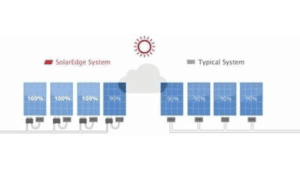
When shading is not an issue, many might assume that optimisers won’t significantly improve performance. However, optimisers contribute to system efficiency in other ways:
• Voltage Optimization: They help maintain the system at optimal voltage levels, even as conditions change, preventing inefficiencies that can occur due to voltage drops across long wiring runs.
• Energy Harvesting: By allowing each panel to operate independently, optimisers prevent one underperforming panel from dragging down the entire system’s output. Even without shading, this increases the overall energy harvested, maximizing your return on investment.
Conclusion: Adding Value, Not Just Cost
While the initial investment in solar optimisers might seem like an extra cost, the long-term benefits far outweigh the price tag. From enhanced monitoring and increased efficiency to safety features like arc detection and rapid DC shutdown, these optimisers add significant value to a solar PV installation.
Furthermore, as building insurance requirements evolve and the demand for safer installations increases, the decision to include optimisers today will ensure that your system is future-proofed and compliant with growing regulations.
In summary, whether you’re installing solar for a residential or commercial property, optimisers are a valuable addition to your system, even without shading. They increase the reliability, safety, and long-term performance of your solar investment—making them not just a smart choice, but a necessary one for ensuring the continued value of your system.