Battery Storage systems are becoming increasingly popular, a trend we’ve observed in the North East and County Durham. Homes are seeing more financial benefits by running on this sustainable system. To fully utilise renewable energy, though, it’s advised to create a modular system that connects several parts. One way to do this is by installing solar PV on your home.
How the Systems Work
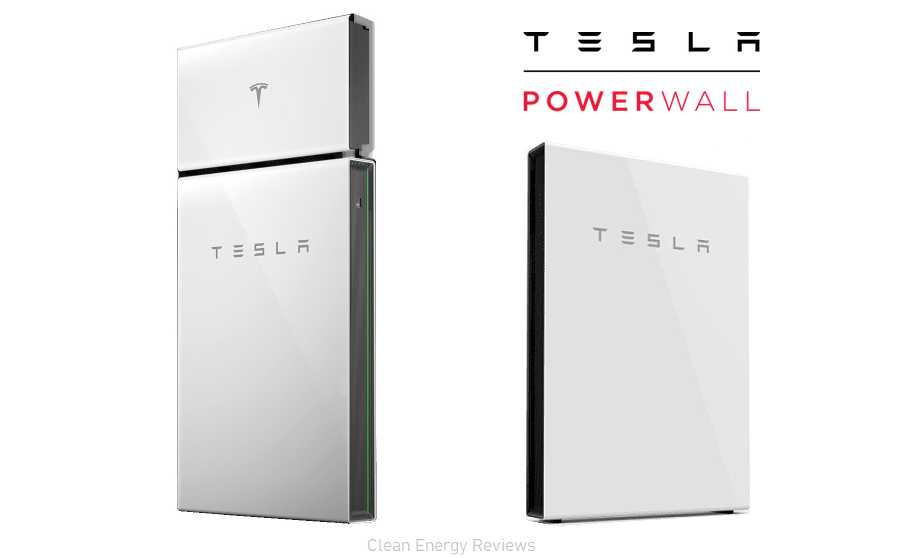
To learn how to optimise your systems, you first need to understand how battery storage and Solar PV work. Battery storage is used to store energy from renewables such as solar or wind. Models such as Sigenergy or Tesla Powerwall 3 are often the most popular choices due to their user-friendly apps. These apps allow you to track the energy you’ve used. Like any battery, battery storage devices can get full. When this happens, the system will stop taking in more energy from your renewables. We mention this because battery storage is handy for setting aside energy for peak times, allowing you to store the energy you generate for evenings or weekends. Any energy that you don’t use can then be sold back to the grid. For more information, visit the Smart Export Guarantee (SEG) website.

Solar photovoltaic panels (Solar PV) are rapidly gaining popularity, with an estimated 1.8 million units expected to be installed by the end of 2025. The panels are fitted to your roof, often assessed by a professional, so that they are positioned to capture the most sunlight. The panels capture sunlight to convert it into electricity. The direct current gets turned into alternating current through an inverter in your home, becoming the electricity that you can use. You can use Solar PV without a battery, with any unused energy being sent back to the grid.
Working Together
Although your Solar PV system can operate without a battery, we recommend considering the addition of some form of battery storage to your system. Here are a few key factors to consider when doing this:
Reduced reliance on the grid – One of the main reasons people look to sustainable systems is that they aren’t happy with their energy bills. Relying on the grid means a lack of independence and, at times, inefficiencies. By converting the energy from your solar PV system into battery storage, you have control over when you use the energy produced.
Power during outages – It may seem like an added perk of choosing when to use your energy, but in some cases, you may not have a choice. Power outages are becoming more frequent as we transition away from fossil fuels, so having backup energy at the touch of a button can keep the lights on in your home in the event of a blackout.
Maximising solar energy – Battery storage systems increase the use of solar energy by capturing excess power generated during peak sunlight hours. This stored energy can then be utilised when sunlight is unavailable, such as during cloudy days or at night. By efficiently storing solar power, battery storage minimises energy waste and contributes to a more sustainable energy solution.
Get In Touch
At DMH, we take pride in our versatility in renewable energy. We can consult with you on the best devices and models to fit your needs, then come out to install, maintain, and ensure everything is working correctly for both Solar PV and battery storage. If you found this blog useful, be sure to follow us on social media. Looking to fit battery storage to your property? Get in touch now and let’s talk about how we can help you save money today!