At the start of 2024, the UK government revealed plans to make all new homes ‘net zero ready’ from 2025 onwards. The idea behind this initiative is to get the UK’s carbon emissions down to 0% by the year 2050, and with a potential investment of £1 Billion for UK manufacturing of heat pumps by 2028, they mean business. Let’s talk about ways to prepare your house for the net zero challenge (and save some money in the process) and how to power your home in 2025.
Heat Pumps
A heat pump is a device that captures heat from the outside air and transfers it into your home, using electricity to power the process. In simpler terms, it’s an air conditioner that works in reverse. Heat pumps are becoming increasingly popular due to their high efficiency and lower carbon footprint than traditional heating systems.
Here are some of the benefits of having a heat pump for your home:
- High efficiency: Heat pumps can be much more efficient than traditional heating systems, such as gas furnaces or electric resistance heaters. This means that they can save you money on your energy bills.
- Lower carbon footprint: Heat pumps use electricity to operate, and depending on the source of your electricity, they can have a lower carbon footprint than traditional heating systems.
- Ability to produce heat even in cold temperatures: Heat pumps can extract heat from the outside air even in cold climates. This makes them a versatile option for year-round comfort.
- Low maintenance: Heat pumps require relatively little maintenance compared to other heating systems.
- Government funding: In some areas, government incentives may be available to help offset the cost of installing a heat pump.
Get in touch with us to talk about how we can get your heat pump fitted.
Solar PV
In the early 2000s, Solar PV began to take off, with more households installing it. Solar PV converts sunlight into electricity, coming in different shapes and sizes depending on the usage. The UK started to create solar farms to meet its renewable energy target, and it has so far worked. Many people see the large price points and choose not to get them; however, they should be considered investments. The amount of money people save on them is eye-opening, and the low maintenance, which lasts decades, means there are no further costs once they’re installed. Read more about how solar panels can benefit you here.
Battery Storage
Battery storage systems are innovative solutions that allow energy—often generated from renewable sources like solar or wind—to be stored and used later when needed. These systems improve energy efficiency by storing surplus energy during low-demand periods and supplying it during high-demand or outages. They are essential for supporting energy independence, optimizing renewable energy use, and reducing reliance on traditional power grids. Here are some other reasons to move to battery storage include:
- Energy Independence
- Cost Savings
- Eco-Friendly
- Backup Power
- Future-Proofing
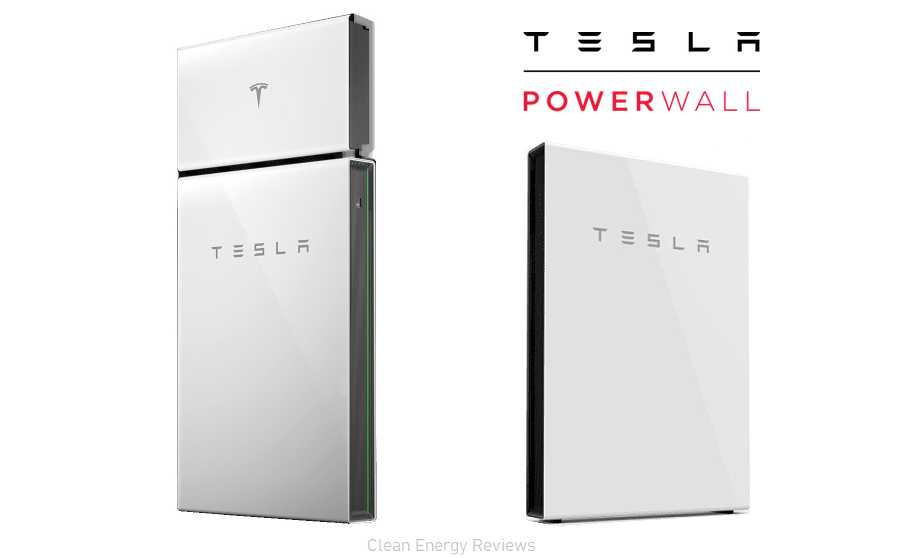
The Tesla Powerwall does a great job of storing energy and giving you control over when and where it’s used. With the Tesla app you can see exactly how much you’ve got and more.
Electric Vehicle Charging
Electric vehicle (EV) charging is the process of supplying electricity to power an EV’s battery. EV chargers draw electricity from the grid or renewable sources and deliver it to the vehicle through a charging cable. Charging stations are categorized by speed: slow chargers (up to 3kW), fast chargers (7-22kW), and rapid chargers (50kW+). The time it takes to charge an EV depends on the charger type and the vehicle’s battery capacity.
Using EV charging reduces carbon emissions and promotes sustainable transportation by replacing fossil fuels with cleaner electricity. It offers convenience through home charging and extensive public networks. EV drivers also save money on fuel and benefit from government incentives. Popular EV charging brands in the UK include Pod Point, BP Pulse, IONITY, and Rolec. These brands help ensure accessibility and reliability for EV users across the country.