We take great pride in knowing that with every solar panel, battery, or heat pump we install, we contribute to a warmer, more energy-efficient home. But it’s very rare that we actually see the numbers that show our systems are making a real impact. We are thrilled to share real-world figures from a job we completed toward the end of last year that have benefited our client’s decarbonised home.
What services did we provide?
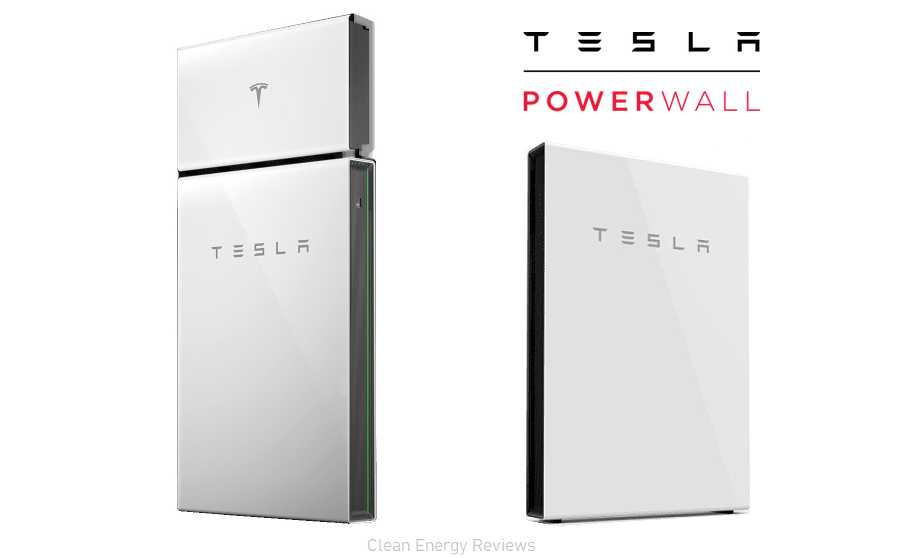
The job in question was based in Northallerton and was a highlight for us, as the home is now essentially running on DMH solutions. We installed a massive 10.2kW peak SolarEdge PV system across six roofs and multiple aspects. We also completed the installation of a Vaillant heat pump, removing the gas boiler. We also had the 8kW Home Hub Inverter at the heart of the home, providing complete off-grid protection when coupled with a SolarEdge Backup Gateway. You can learn more about the complexities of the job in the full YouTube video below:
The Results
Our client has been tracking their energy usage and heating costs from September to November in 2024 and 2025. This is great for a direct comparison between the before and after states of the DMH-installed systems. Note that the home initially had an EV Charger installed; however, due to the setup, the metrics don’t contribute to these numbers. As a result, we will cover only the results of their decarbonised home project.
Air Source Heat Pump (ASHP)
Figures were taken from the Vaillant App, the best way to see how your heat pump is performing. The ASHP consumed 1,322.30 kWh in 3 months. We were informed that much of this was covered by off-peak electricity and solar generation via battery storage. This is fantastic news, as it shows that using multiple systems in harmony results in a more energy-efficient home. More importantly, we gained insight into the COP figures over this period. The Coefficient of Performance (COP) measures a system’s efficiency: the energy required to operate relative to the heating/ cooling delivered. Here is a quick look at those figures:
- Heating COP: 4.91
- DHW COP: 3.84
- Combined COP: 4.76
The clients had many positive things to say about their comfort in their warmer decarbonised home, including: “The lounge (previously hard to heat with the gas central heating) is now consistently warm, sometimes too warm, but far, far better than before.” We have some interesting statistics on gas usage, comparing 2024 to 2025. The graph below shows a dramatic drop, from 2,692 kWh in November 2024 for heating, hot water, and gas hob to just 10 kWh for the gas hob alone!

Solar PV and Battery
For Solar generation, the home recorded 1,251kWh for the 3-month period. The most energy generated was in September with 37.59 kWh. Whilst the client says that there was insufficient solar generation to export, we have to look at this on a much longer timescale to see the benefits.
At the time of year the solar went up, it was the start of winter, which, as we have discussed before, is NOT the optimal time to generate energy with solar. Yes, solar panels still work in winter, and yes, they still generate energy, but the demand for energy to heat a home exceeds the daylight we get during this time. Looking at this over a 12-month window, we expect the client to generate excess energy during the summer relative to their needs. This enables them to sell the energy via export, saving them money to spend in the winter on heating their homes.
In short, you can’t have one without the other, and it all comes down to timing. We have a blog on our site that talks more about the pros and cons of when to install solar, but in truth, anytime of year is perfect, as your system will still generate energy.
Total Summary
After reviewing the data and tables on energy savings from 2024 to 2025, we can see that our systems are making a positive impact on our clients’ lives. Looking at the bigger picture, we have substantial data to share as an overview of the project.
Combined gas and electricity grid consumption decreased by 78% over the 3 months, from 6,645.65 kWh in 2024 to 1,477 kWh in 2025. The total energy cost for that period decreased by 57%, with the now decarbonised home paying £620.67 instead of £269.39.
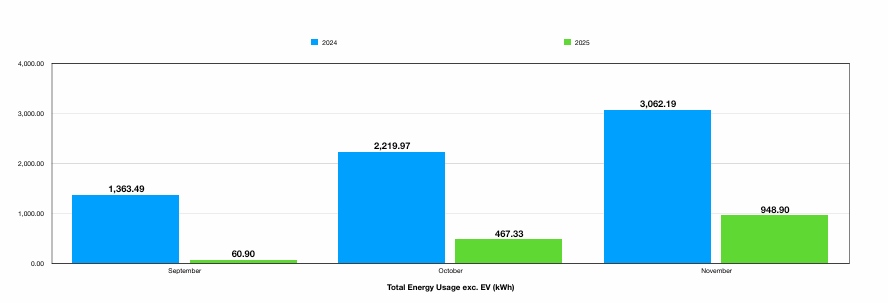
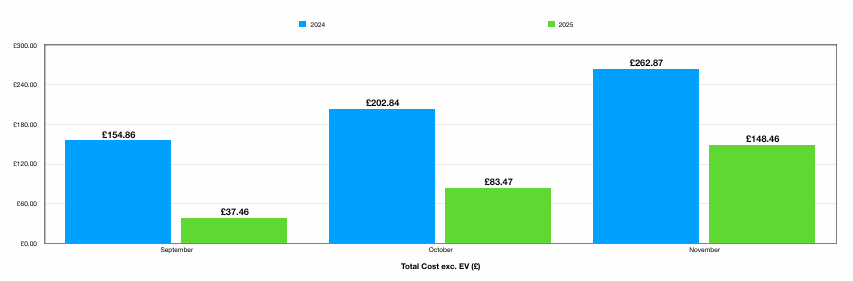
It’s fantastic to see these numbers and how happy our client is with the results. They said: ” Energy savings of 78% and cost savings of 57% are obviously very, very good news, but there are also big ‘comfort benefits’ on top of that. And after all, comfort (not cost saving) was our main driver in starting this project.”
We take great pride as a business in bringing this level of support to a home, and it’s encouraging to hear about that positive impact in such detail. We plan to work on even more projects like this in 2026, so if you’re looking to achieve similar results for your home, don’t hesitate to contact us via the contact form on our site.