Whilst it’s exciting to upgrade your home with battery storage or solar panels, the necessary paperwork to complete an installation takes up a lot of the behind-the-scenes work. One very important piece of paperwork is the G99 application form – but what is it and how can it affect the installation of your renewable system?
What is a G99 application for
A G99 application acts as a grid connection request. It is governed by the Energy Network Association and makes sure that any larger systems (anything that produces more than 3.68kW per phase) do not disrupt the local network. A G99 must get approval from your Distribution Network Operator (DNO) before turning on the system.
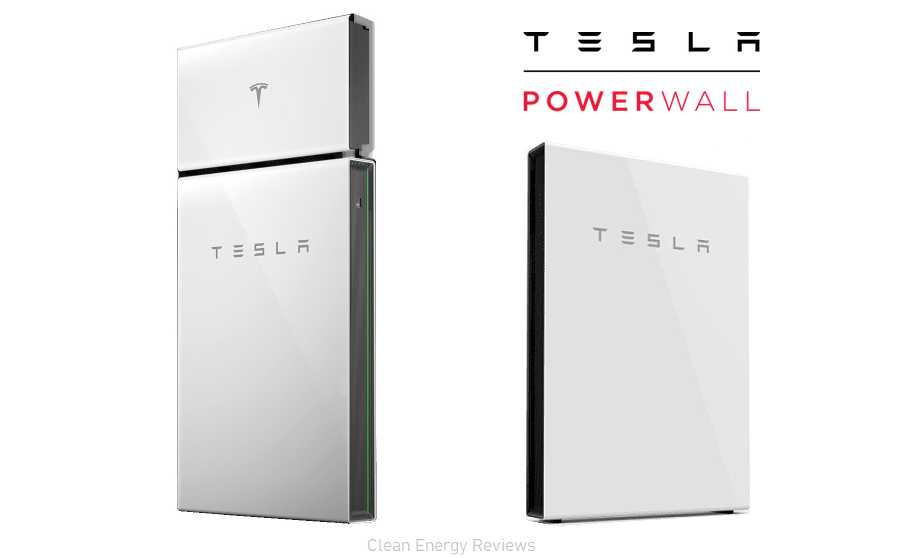
A G99 is needed across single-phase and 3-phase inverters as well as larger systems such as solar farms, commercial solar and even domestic battery storage installations.
Is a G99 a legal requirement?
In short, yes. A G99 is a legal requirement for any system that produces more than 3.68 kW to the UK power grid. For those systems under 3.68 kW, there is a simpler rule called the G98. This is for small-scale systems and still needs to go to DNO, usually within 28 days of the installation, but is a post-install notification.
We say it is a legal requirement for a reason, as if a system is installed without permission from your DNO, it is against the law. If you are found with an unapproved system, the DNO can force you to disconnect the system, and even disconnect your property from the electricity network. These rules are put in place to keep you and the grid safe.
How much does a G99 application cost?
Whilst a G99 is free to submit, costs would usually come from installer admin fees, as they would usually be submitting them on behalf of their client.
Prices can increase if a G99 request is denied as the local grid needs reinforcing. DNO would normally assess the area to see if that system would affect the local grid. This is normally when customers have the option of pursuing a higher power system or settling for a system that is under the 3.86kW threshold.
How can you get a G99 certificate?
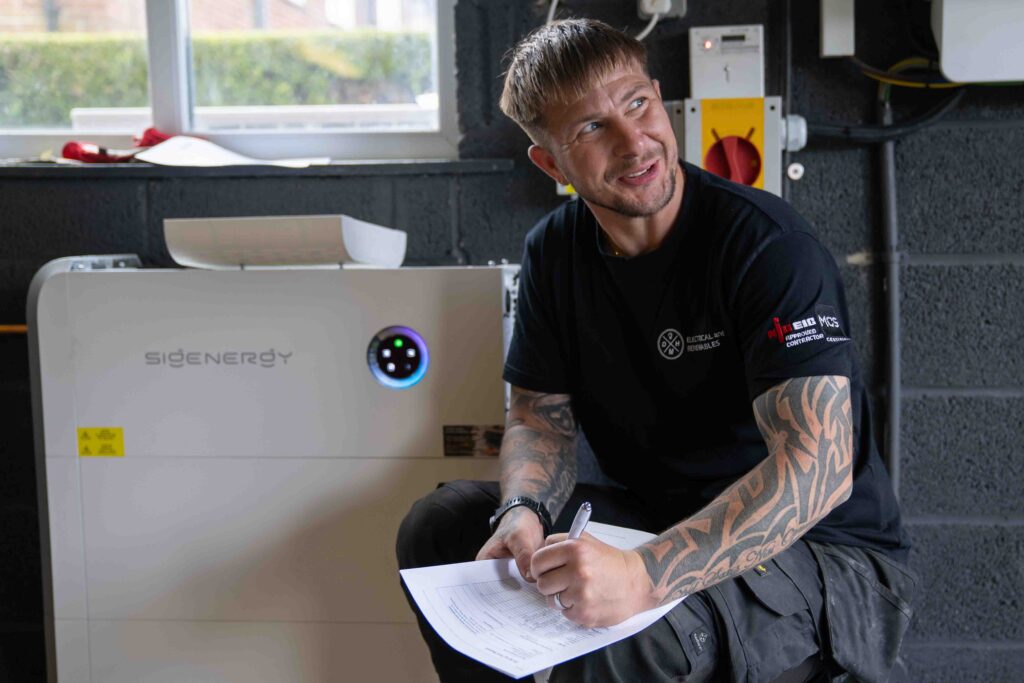
As we’ve mentioned earlier, an MCS accredited installer, such as ourselves, will often complete the G99 form on behalf of the client, with more technical knowledge of the install itself. Once the system has been approved by DNO, the certificate is sent and is included as part of your handover folder, so that you can reference this in future.
How long does a G99 approval take?
A G99 grid approval usually takes 4-8 weeks to be signed off by your DNO, which is a lot longer than customers realise. When you compare this to the amount of time from initial call to a finished install, the G99 almost doubles the total length of the project.
Whilst it is frustrating for customers who just want solar panels on their roof, installers need to convey why the G99 must go through the proper channels.
What renewable systems require a G99?
As you already know, any system connecting to the grid over 3.68kW needs to have a G99 approved. But what systems in your home could this relate to?
At DMH, we ensure that our knowledgeable staff assess your renewables installation ahead of time, finding out if you will need a G99 approval. Larger domestic solar PV systems will need a G99, with virtually all commercial solar arrays needing them based on the size.
Battery storage holds more energy and would then need a G99 before installation and before turning the system on. Large heat pumps would also fall into this category. With so many systems potentially on one property, the question quickly becomes: do you need a G99 per system, and if so, does that mean it’s a 4-8 week wait time for each?!
Thankfully, the answer is no; you do not need a separate G99 for each system (solar PV, battery, heat pump). A G99 request form is sent off for the entire property, telling the DNO the total power outage that will connect to the grid.
Whether you are an installer or a customer in the market for renewables who wants to know a bit more about the process, we hope that you found this guide to G99s helpful. If you’re looking to start your renewables journey into solar, battery storage or heat pumps in the North East, get in touch to discuss your project with our expert installation team at DMH Electrical and Renewables.