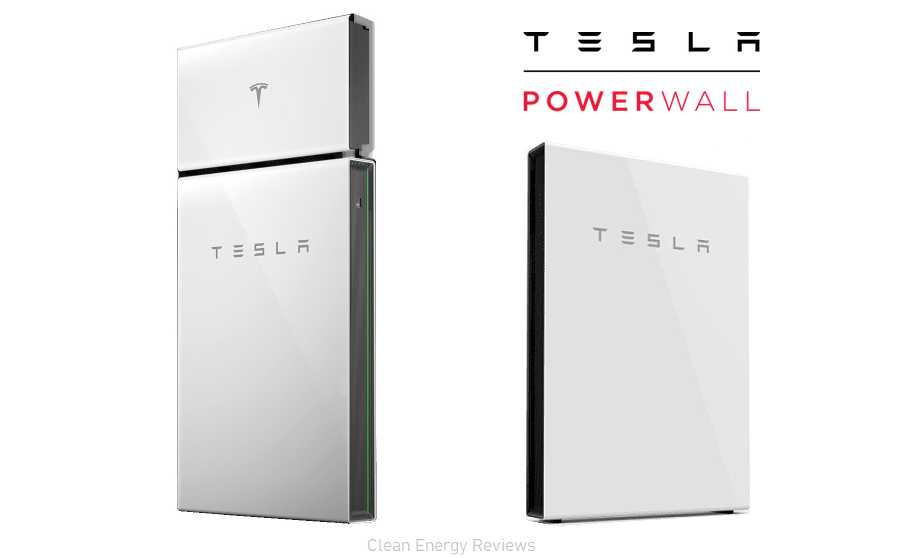
Early this month, plans to build a 52MW battery energy storage system (BESS) in Oxfordshire were given the go-ahead. This new system will enable energy from renewable generation sources, using innovative technology, to be stored and released when the network requires. The BESS development holds an exciting future with the hopes that it will be implemented in more counties across the UK. How else has the UK government been preventing the climate crisis, and what could the future have in store?
It started in the Middle Ages
Renewable energy solutions seem like a very modern invention, especially when we think of them as generating electricity. But in actual fact, we can find evidence of renewables as early as 1185! Windmills were used to grind grain and pump water in Yorkshire; the first steps in a sustainable UK. Fast forward 800 years and the first use of these windmills for energy came about. William George Armstrong pioneered the system by using wind to power a single lamp. Even though it was a big leap in the history of renewables, Brits still relied on coal to produce 88% of electricity, with 11% being generated with oil.
The Modern Age of Renewables
The UK felt pressure from the USA in the 1970s with their growing environmentalism and the rise in wind energy. The UK caved and began to invest in alternative energy solutions. Ten years later, the first wind turbine was introduced in Orkney, supplying homes with clean energy. Ten years after that, the first onshore wind farm was born in Cornwall, supplying energy to 2700 homes using 10 turbines.
Solar Energy Became More Accessible
But when did Solar energy get introduced? The UK’s first notable use of solar energy was when the University of Sussex installed Solar PV on the Garden House in 1978. This brought attention to renewable solutions and got people talking about other energy production methods.

In 1994, the first solar panels were connected to the national grid in Nottinghamshire, demonstrating that solar energy was a powerhouse not to be underestimated.
For the next 25 years, the demand for solar power will only grow, with more and more houses opting for this greener way to power their homes. An estimated 1.5 million homes will have Solar installed in 2025.
What Else Have We Done?
The UK has also achieved several other firsts in renewable energy. These include installing the first EV charger in Haddington and repurposing an unused BT cabinet. To date, over 100,000 public EV charge points are available to drivers in the UK.
The UK’s first grid-scale lithium-ion battery energy storage system was installed in Cowley, on the outskirts of Oxford. This 50MW system, part of the Energy Superhub Oxford (ESO) project, is connected to the National Grid’s high-voltage transmission system. The UK Government backed the project, which was led by Pivot Power, part of EDF Renewables.
At DMH, we cover nearly every aspect of what you have just read about on this blog for commercial and personal use. If you are thinking of going green with your home or business, be sure to get in touch with us today. We take you from the initial chat about what would be best for you to the final installation.