Landlords in the UK are constantly keeping up to date on the latest rules and regulations, ensuring that they are letting properties that are up to spec. Part of the rules and regulations for lettable properties in the UK include EPC Ratings. A new rating system was put forward in parliament, with the Government announcing changes that will last up until 2030. But are there any big changes landlords need to know, and how can renewable systems help achieve these new ratings?
What is an EPC rating?
An Energy Performance Certificate (EPC) measures how well-insulated and energy-efficient a property is. In the UK, rental properties have been tasked with getting houses with at least a C rating, if not higher. Landlords are faced with much work in the next 5 years, and some properties will need more work done than others.
EPC’s have moved from lasting 5 years to 10 years to reduce the financial costs of upgrading a home over a longer period of time. With 2.5 million rental homes in England still not meeting the current standards, the UK has a long way to go to reach its net zero targets for 2030.
What are the new regulations, and when will they start?
The UK government held consultations from 21st January to 18th March to seek out views on how the Home Energy Model (HEM) will be used to carry out EPC assessments. New changes will be put in place to support consumers with better information to help provide warmer and cheaper-to-run homes. All of this is to help the UK reach its net-zero goal by 2050.
Whilst final details are still being discussed, this does leave landlords with a lot of questions around how their current properties will be tested in the future. If a landlord’s current EPC is rated C or above, they will keep that rating until their EPC runs out (last 10 years from the date they are issued). If an EPC is issued on or after the 1st October 2029, the property will be rated on the new HEM system, meaning that what was once considered a C rating might be changed to be higher or lower.
The cost of improving a home to hit these targets is often a concern for landlords, especially on older properties. This is why the government have axed the 2028 deadline to get all landlords to sign new tenancies early, whilst also reducing the spending cap for improvement from £15,000 to £10,000. This lower price point and funding support, such as the Boiler Upgrade Scheme, means that landlords have a better chance of upgrading their property to meet the new EPC ratings starting from the back end of 2029.

How can renewables improve EPC ratings?
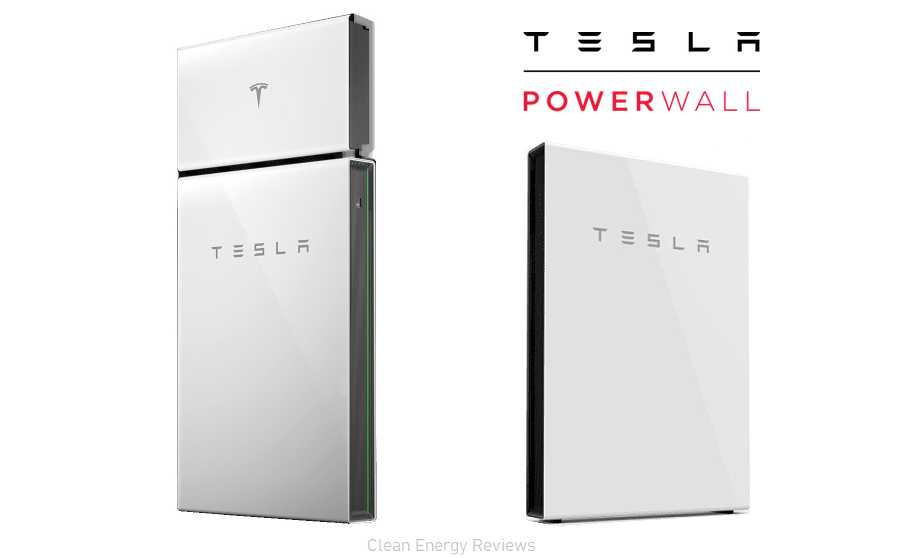
For landlords looking to improve their properties to achieve an EPC rating of C or above, there are several renewable measures that can be implemented. The most common and long-term solutions include the implementation of solar PV and battery storage. By combining a range of renewable energy options, DMH can partner with landlords to design tailored solutions that will get their properties ready for a Net Zero future by 2030.
Some ways of increasing your EPC rating include:
- Upgrade your lighting to LED bulbs
- Insulate your walls and roof
- Install double or triple-glazed windows
- Upgrade your boiler
- Install underfloor heating
- Install a smart meter
Once we learn more about the new EPC regulations that will come into effect in 2029, we will update this blog, so make sure to follow us on social media to keep up to date. If you are a landlord still looking to get your properties to meet the EPC ratings ahead of the change in 2029, we highly recommend that you get in touch with us to discuss the energy-saving measures we can carry out. We work with you to see what is possible on the property whilst using our trusted brands. Get in touch with us today using our contact form.