Renewables have become a massive talking point in the world of rented properties. Homeowners, tenants, and more eco-conscious individuals may be swayed by a home with solar or heat pump facilities, which could make or break their decision.
“92% of UK property investors believe tenants are willing to pay more for greener homes and commercial premises, with 77% reporting a surge in demand for sustainable features like heat pumps, solar panels, and electric vehicle charging points.” – Property Investor Report 2025
Why should landlords invest in renewable energy?
Landlords are noticing trends in the rental market, particularly those related to renewable energy. They’re finding that energy-efficient features can help attract desirable tenants, including millennials who want to live in homes that allow them to live more sustainably. As we’ve discussed in previous articles, renewable systems can actually increase the value of a property by 6% with some homes even seeing a 14% increase! Renewable systems also reduce operating costs, lowering maintenance expenses for the landlord and utility bills for the tenant.

Other benefits for landlords
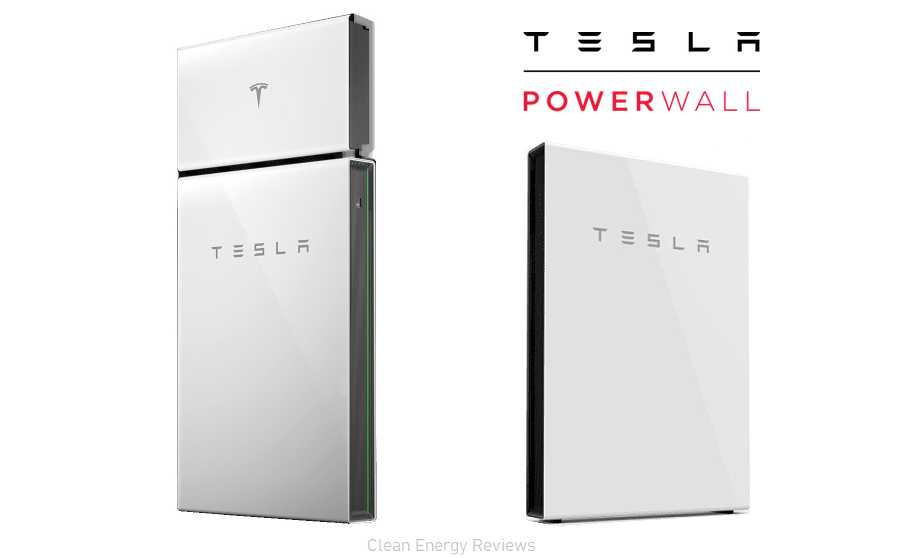
Whilst the initial cost of installing these renewable measures is high, the money saved by landlords in the long run is immense. With the correct systems in place, landlords’ homes will be in high demand, with the draw of a cheaper monthly energy bill bringing in more interest. By investing in a comprehensive renewable energy system rather than a single measure, homes can become up to 20% more sustainable. For example, a home that utilises solar panels and battery storage will be more sustainable than a home with just one or the other.
Can landlords apply for funding?
Landlords are eligible to seek funding and grants for improvements related to renewable energy and energy efficiency, particularly through the UK’s Energy Company Obligation (ECO) scheme, the Boiler Upgrade Scheme (BUS), and the previously available Home Upgrade Grant (HUG) program, to enhance their rental properties. Qualification usually depends on the current energy efficiency of the property (assessed by its EPC rating), the income or benefit status of the tenants, and whether the landlord intends to raise rents following the upgrades.
If you’re a landlord looking to enhance the desirability of your rented properties, please get in touch with us. We will assess the best measures for your home while discussing the outcomes you would like to see from a system.