Even though the UK has recently been through a series of heatwaves, with 2026 being the first year of record to reach 35°C in May, June and July; the last thing homeowners are probably thinking is “should we start putting the heating on?”. Whilst it isn’t an immediate worry, with winter months approaching, it’s wise to make sure that you have everything in place to save more this winter. In today’s blog, we will discuss the best ways for people to prepare for winter and to save more on their energy bills without reducing their comfort at home with solar PV, battery storage and heat pumps.
Solar Panels are still efficient in winter
Whilst it is a commonly believed myth that solar panels are useless in the winter months, the truth is that they still work just as well. The only difference is that you will have fewer hours of sunlight in the daytime, meaning less energy generated. In terms of numbers, a 4kW system in the UK may produce 70-150kWh in December compared to 300-500kWh in the hottest parts of July.
By having your solar PV systems installed ahead of winter, you can start saving money earlier, meaning you will have more to spend on heating and electricity during winter.
According to CRG Direct’s ‘Solar Panel Output Per Month’ table, November to February have the lowest energy generation, sitting between 0.7 kWh per day to 2.0 kWh per day. A 4kW system in the UK will typically produce 1-5 kWh per day, meaning that homeowners have to make smart choices when it comes to how they are using their systems.
One way to make sure you are getting the most from your system is by ensuring that the panels are in good condition. Debris can affect how panels perform, especially during winter months. Fallen leaves, dirt or snow on your panels will stop sunlight from hitting your panels, meaning they aren’t generating the maximum amount of energy.
Use Battery Storage to Capture Valuable Energy
While solar panel energy drops during winter months by 20%-30%, battery storage allows owners to capture limited daytime energy for use later in the day. With the UK having only 8 hours of sunlight during the winter months, evening electricity is naturally used far more compared to summer. Battery Storage gives home and business owners the overnight supply for heating and lighting which has been generated in the daytime.
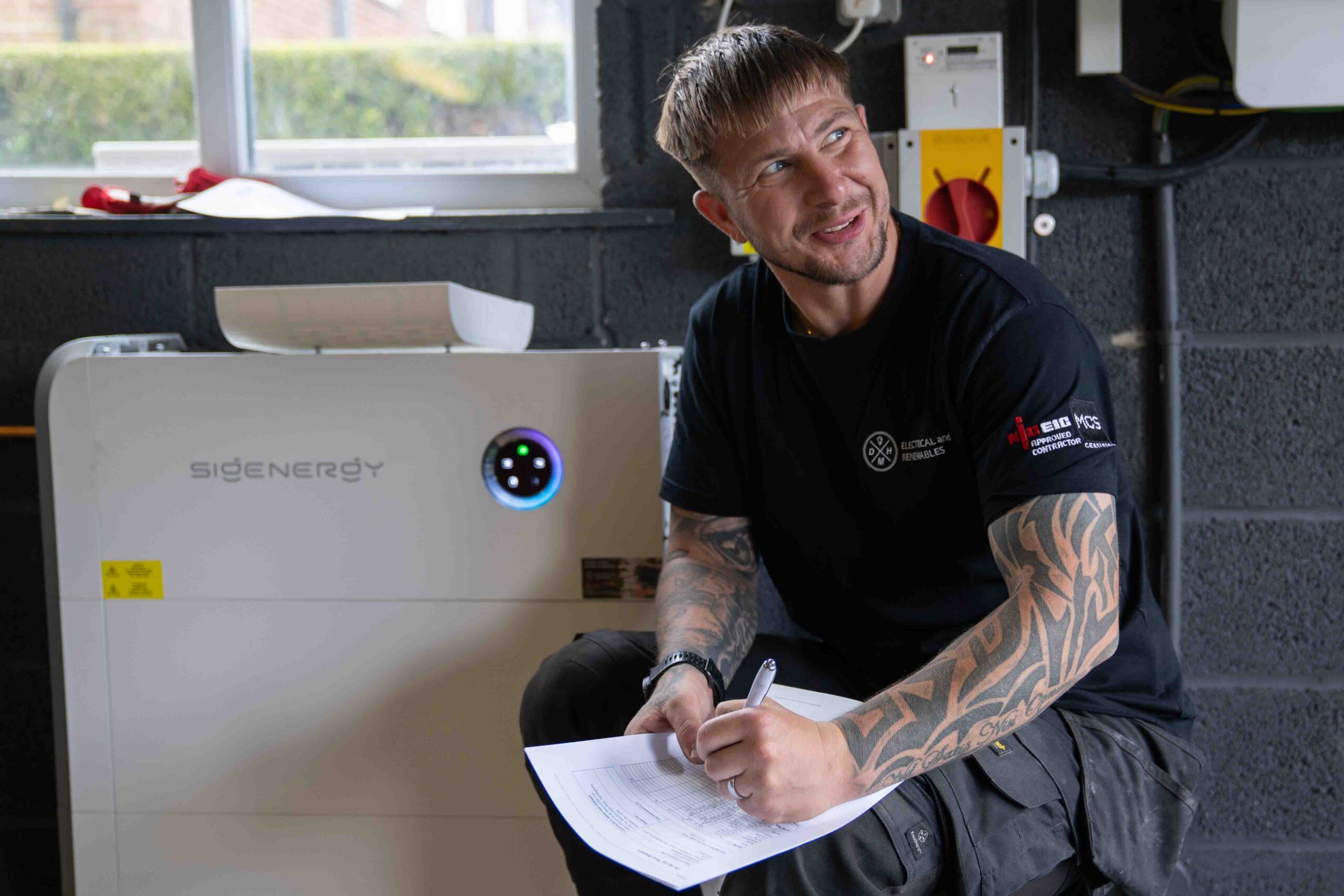
Battery Storage systems such as the Tesla Powerwall or SigEnergy also give owners the independence to cut down energy bills to be spent elsewhere.
The beauty of a solar PV battery system is that the two combined can work all year round. At DMH Electrical and Renewables, we often encourage clients to have this mix of systems as both complement each other, ultimately helping the systems perform better and become more efficient in the long term. Modern battery storage systems also help homeowners schedule charging during off-peak overnight hours. This can help save money whilst being smart about when to use your battery. Many energy suppliers have smart tariffs which charge different rates for electricity depending on the time of day. Smart exports measure and pay you back for extra electricity your solar panels create.
Heating your home with a Heat Pump
Heat pumps – you can heat your home with these low-carbon systems. Replace older gas boilers with warm homes schemes (check which scheme it is). How does a heat pump work in winter? They operate efficiently in freezing temperatures and keep your home warm. Make sure you have services and have your heat pump cleaned before winter so that it works efficiently.
Heat Pumps are great systems that are starting to gain a real appreciation in the UK. These systems heat your home during winter with low-carbon technology, making the most of ambient heat by moving it into your home.
Many homes still rely on gas boilers, with the government putting in fuel poverty-tackling measures such as the Boiler Upgrade Schemeto make systems such as heat pumps more accessible. With more grants becoming available to reduce home energy bills, now is a great time to discuss your options when it comes to starting your renewables journey.
It’s important to understand that heat pumps don’t work like traditional heating systems. Instead of burning fossil fuels, heat pumps simply take warm air from one place to another.
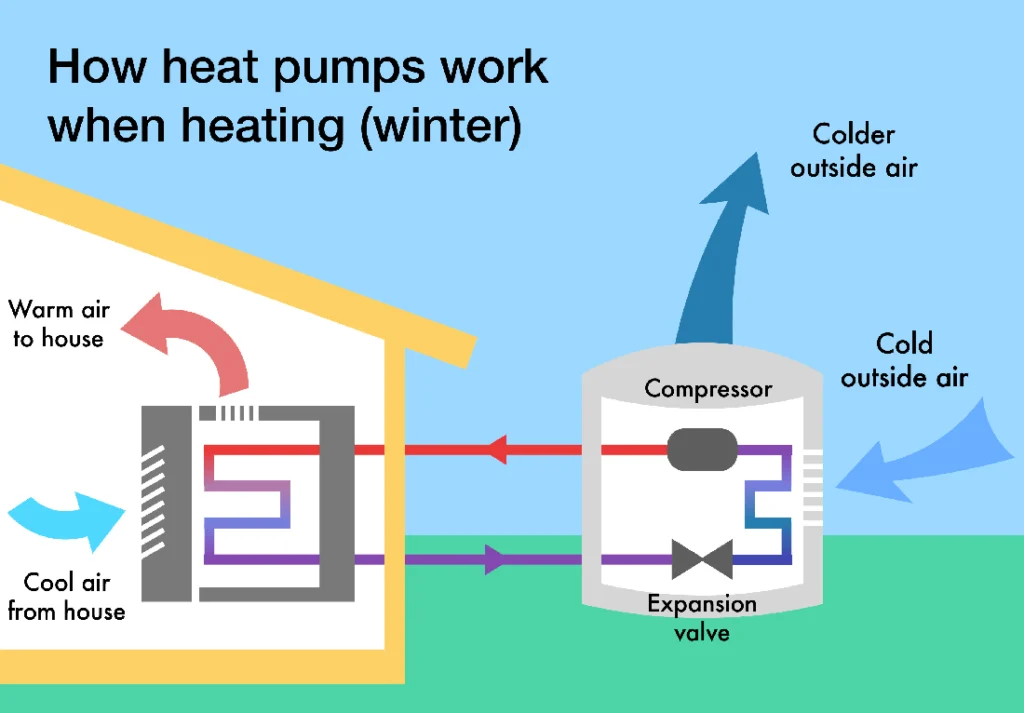
A fluid called a refrigerant with a very low boiling point absorbs heat from the air for the heat pump. There is enough heat energy in the air to cause the refrigerant to change into a gas. This then moves to a compressor, which increases the pressure of the gas, greatly increasing its temperature. This newly heated refrigerant vapour then flows through your home or business to your central heating system or hot water tank before turning into a liquid. The cooled refrigerant then comes back to the evaporator to absorb even more heat, and the cycle repeats again!
We are still a few months away from winter. With the UK having a great summer so far, now is the best time to get these systems installed and to start saving. If you’re interested in any of the systems we’ve mentioned above, get in touch with our knowledgeable team to book a discovery call with us.